
Signal Tree House
Bulawayo Signal Tree House
The beauty of old homes brought back to life is inspiring. The Signal Tree House is one of those homes.
View the beautiful transformation.
Historic Renovation
A House With A Story Worth Telling
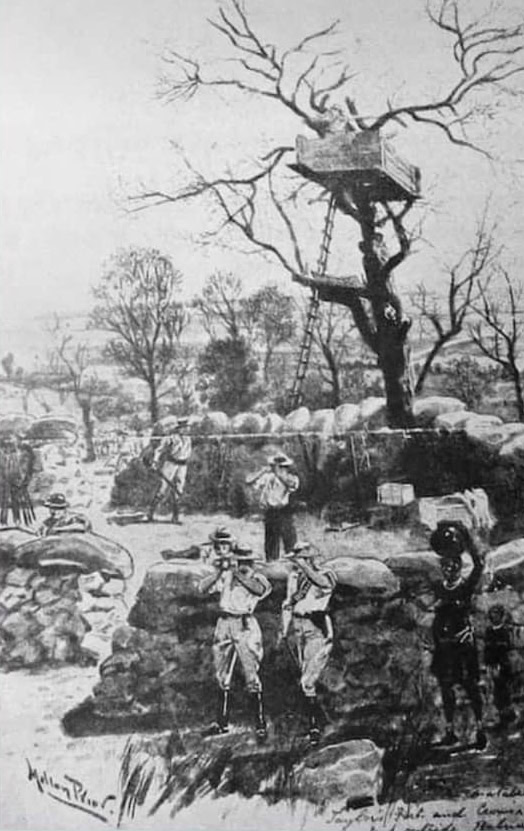
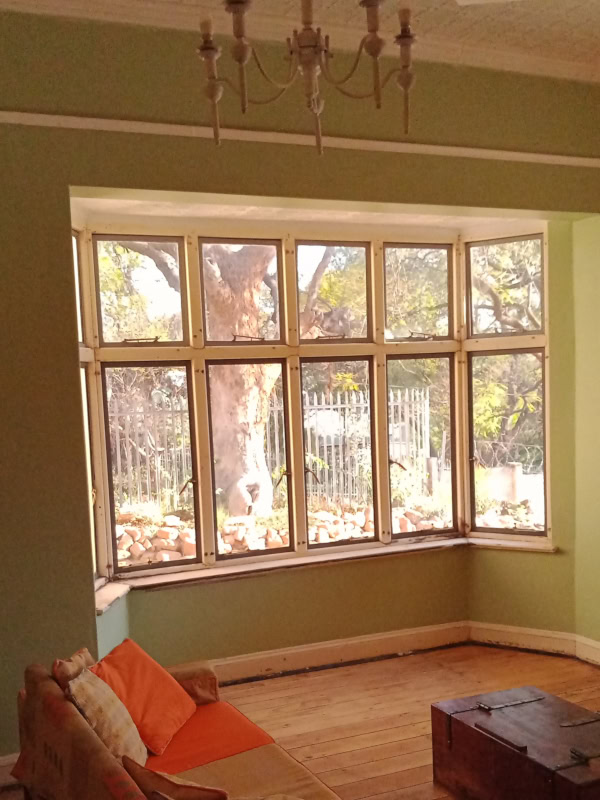
The same tree, still standing today, shades the restored heritage home.
For generations this home stood quietly, its walls storing tales of settlers, conflict, resilience and community.
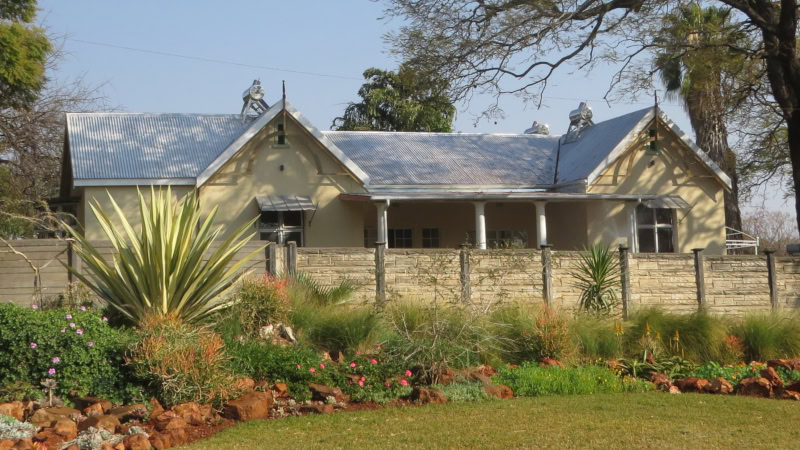
The Signal Tree House stands in Matabeleland as a surviving example of a late-19th-century frontier homestead shaped by unrest and isolation. Its story is linked to the 1896 uprising in the region, when widespread resistance and insecurity affected farms and settlements across the countryside.
Before colonial settlement, this land formed part of the Ndebele kingdom. After the 1893 conflict and the establishment of British South Africa Company control, farms were laid out across Matabeleland. By 1896, tensions over land, labour, cattle, and authority erupted into coordinated resistance. Isolated homesteads became vulnerable and depended heavily on communication and defensible construction.
The “Signal Tree” refers to a tall, prominent tree once standing near the site. Local accounts describe it being used as a lookout and signalling point. In the absence of telephones or telegraph lines to remote farms, smoke signals and mounted messengers were used to warn neighbouring properties of danger or movement across the veld. Elevation and clear lines of sight were essential.
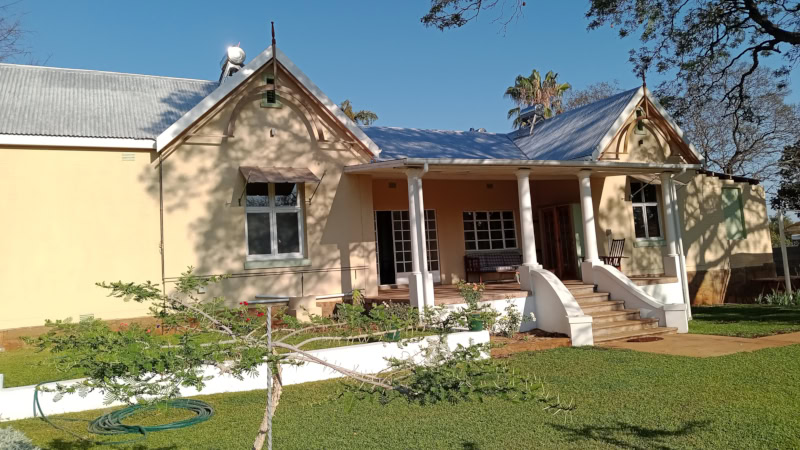
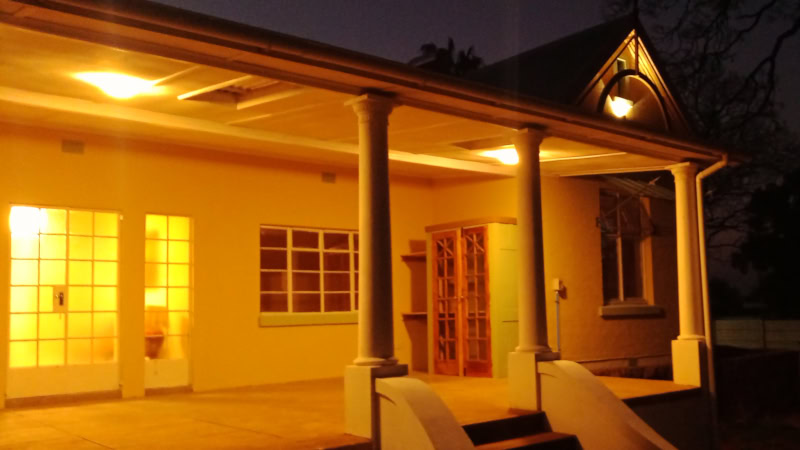
The house itself reflects this frontier reality. Built with thick brick walls, an elevated veranda, and strong proportions, it offered both shelter and vantage. The deep stoep allowed occupants to survey the surrounding land, watching for approaching riders or dust plumes on the horizon. Architecture and survival were closely linked.
As stability gradually returned, the homestead transitioned from a defensive outpost to a family residence. Over time it was repaired, expanded, and maintained, yet its core structure remains consistent with late-1890s Matabeleland farm architecture—corrugated iron roofing, lime-washed brickwork, and symmetrical gables.
Today, the Signal Tree House stands as a quiet historical witness. It does not represent a single narrative, but rather a layered past—of settlement, resistance, adaptation, and endurance. Its significance lies in how a building reflects the realities of its time: the need for vigilance, communication, and resilience in a landscape shaped by profound change.
The Transformation
The Renovation
Today, the very same space is alive again.
Artisans worked beneath its branches, reclaiming materials from the renovation to create heirloom furniture.
Every beam, every ceiling sheet, every Oregon pine plank has been catalogued and transformed into something new… without losing its soul.
The Kamusha Range is crafted entirely from reclaimed materials salvaged from this restoration:
- Early 1900s pressed ceiling panels
- Oregon pine timbers
- Veranda beams and posts
- Ironstone, copper, and original hardware
- Reused roofing and structural metalwork
These are reborn into:
Campaign chests • Coffee tables • Cabinets • Headboards • Writing desks • Wall art • Legacy pieces
And each item includes a certificate of provenance linking it directly to the iconic house and its unique materials.
Property
Pre Renovation
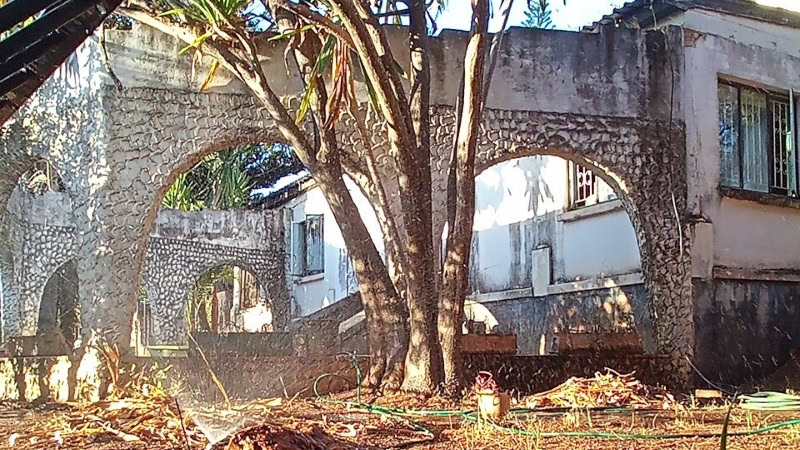


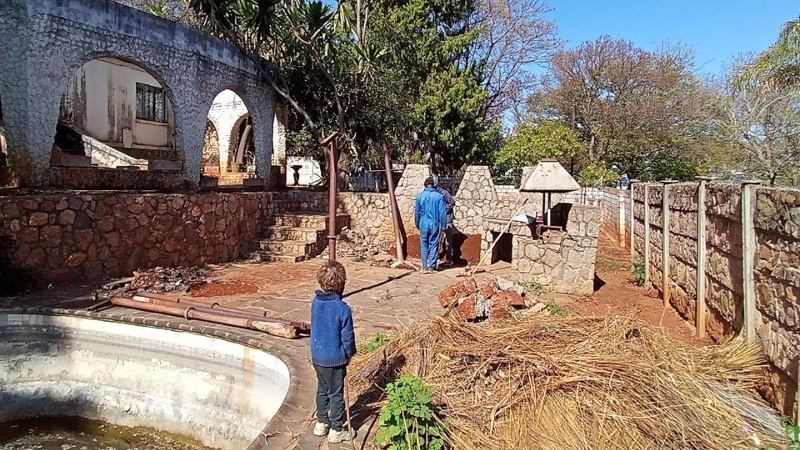
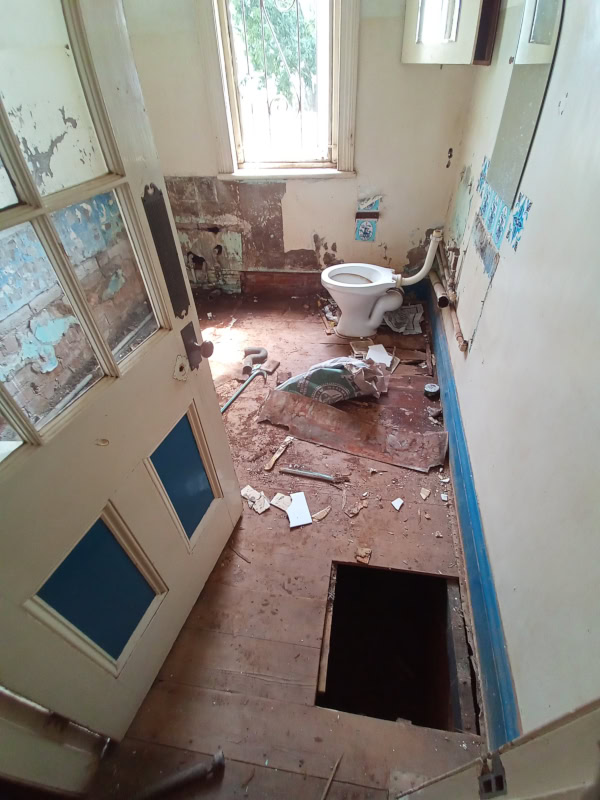

Signal Tree House
Completed
signal-tree-view
signal-house-backyard

signal-house-kitchen-interior
signal-house-new-hallway

signal-house-post-renovation
signal-house-veranda

signal-tree-garden

signal-tree-house-interior
signal-tree-house-lounge

signal-tree-house-view

signal-tree-kitchen-renovations

signal-tree-pool
Bespoke Pieces
Own A Piece of History
Furniture made from this renovation cannot ever be repeated — when the materials are gone, they’re gone.
Owning a piece from the Kamusha Range means owning:
- a chapter of Bulawayo’s early story
- a fragment of its architecture
- a living memory crafted into timeless beauty
You’re not just buying décor. You’re inheriting a legacy.
Where Craft Meets Culture
Just Fred combines Zimbabwean hand-work with colonial-era carpentry and modern African design.
The result is furniture with:
- deep cultural notes
- authentic history
- warm African texture
- durable craftsmanship
- undeniable story value
These are pieces people talk about the moment they enter your home.
A Restoraton That Gives Back
The Kamusha project is more than aesthetics — it’s a community revival:
- Local artisans are supported and trained
- Heritage materials are preserved from landfill
- Historic Bulawayo architecture is protected
- Revenue supports further conservation and training
The house becomes a working museum of Zimbabwean creativity.
Manufacturing one-off pieces for your home.
By
Just Fred
Inspired by Home. Built from Heritage.
“Kamusha” means home, and these pieces carry the true meaning of the words:
Roots. Belonging. Ancestry. Identity.