
Pressed Metal Ceilings
Origins, Venting, and Designs
What Are Pressed Metal ("tin") Ceilings?
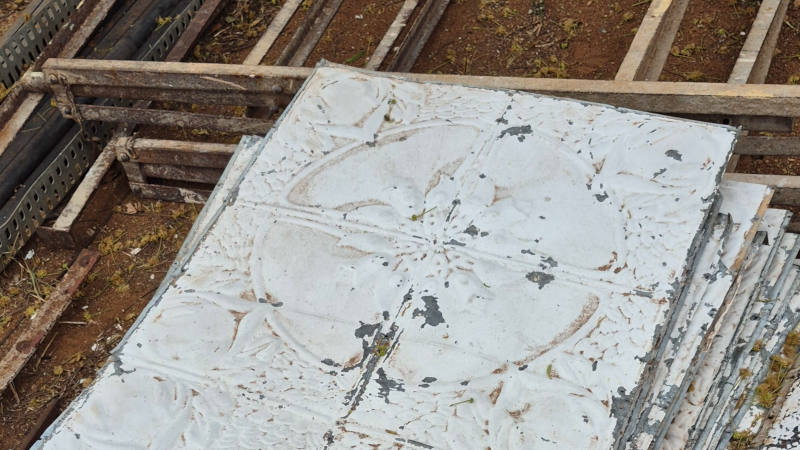
Pressed metal ceilings are thin sheet‑metal panels (historically iron or steel, often tin‑plated) embossed in relief patterns and nailed to timber battens or plywood.
They became popular in the late 19th and early 20th centuries as a durable, fire‑resistant and affordable alternative to ornate plaster ceilings.
Origins and Global Spread
• North America: Mass production began in the mid‑1800s; popularity peaked c.1880–1910.
• Australia: Known as “pressed metal” or “Wunderlich” ceilings after the leading manufacturer; extensive catalogues by the 1910s–1920s.
• Southern Africa: Adopted in the late 19th century via British/colonial trade networks; installed in both commercial and domestic buildings across South Africa and (then) Rhodesia.
When Were They First Used in Southern Africa?
Evidence from trade histories and manufacturer catalogues shows pressed metal ceilings present in South Africa by the late 1800s, in step with Victorian/Edwardian building waves (c.1880–1910).
They are documented in period houses of Johannesburg, Cape Town and other towns from the turn of the century onwards.
Why Were Some Ceilings Vented?
Vented or perforated panels, grilles and cornice ventilators were offered to improve airflow and heat dissipation in high‑ceilinged rooms, and to relieve roof‑space humidity.
Manufacturers supplied dedicated pressed‑metal ventilator units and louvred vents or perforated inserts that could be incorporated into the field panels or perimeter mouldings.

Common Designs and Motifs (c.1880–1930)
• Geometric repeats (diamonds, squares, lozenges)
• Floral and foliate Art Nouveau motifs (lotus, lily, vines, waratah in Australian catalogues)
• Classical ornament (egg‑and‑dart, acanthus, rosettes, shields)
• Fish‑scale/ripple textures and beaded borders
• Complementary components: centrepieces/medallions for chandeliers, cornices, fillers, mitres and bosses
Installation (historic nail‑up method)
• Substrate: Fix timber battens (furring strips) or plywood to create a flat nailing surface.
• Layout: Snap lines from room centre; dry‑lay to plan pattern symmetry.
• Fixing: Overlap panel nail‑rails; nail through the raised bead into the battens.
• Trims: Fit fillers to walls, then main field panels, then borders/cornice and a central medallion if used.
• Finish: Traditionally painted (often white) to emulate plaster; today, enamel or powder‑coat finishes are common.
Inspiration and Debates
Pressed metal ceilings imitated elaborate European plasterwork at far lower cost—embracing machine ornament and making decorative ceilings accessible to the middle class.
Critics in the Arts and Crafts movement objected to ‘imitation’, yet the material endured for its durability, hygiene and fire‑resistance.
Notes for Southern African Restoration and Furniture Context
• Dating: Patterns, nail‑rail formats and cornice profiles can help date ceilings to late‑Victorian or Edwardian eras.
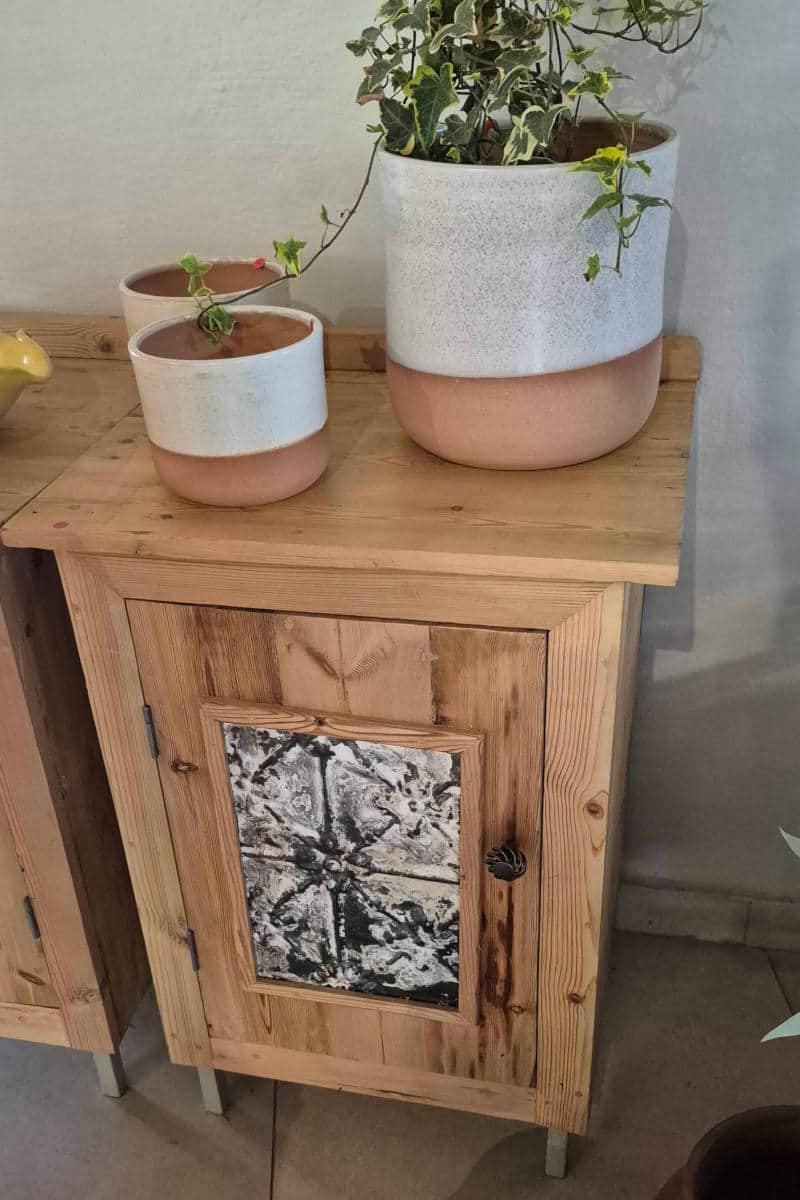
• Salvage for furniture: Embossed panels (especially with floral or geometric repeats) can be framed as cupboard doors, headboards, bar fronts or wall art.
• Surface prep: Degrease, stabilise rust; for bare steel use a rust‑inhibiting primer before top‑coats.
• Storytelling: Link each reclaimed piece to the building’s period (e.g., “circa 1900 Bulawayo/Joburg pressed‑steel ceiling panel, hand‑nailed over timber battens”).