
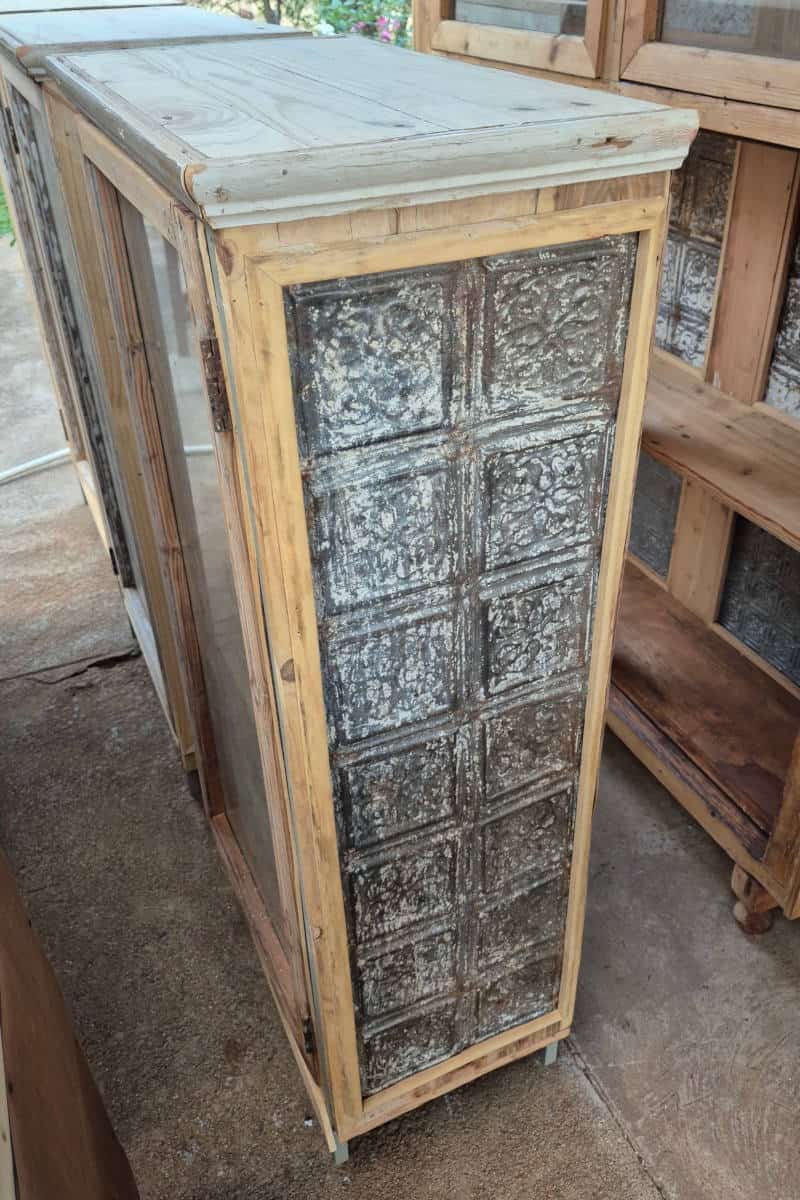
Corrugated Iron Home
Iron, Corrugation, and Empire
Railway Materials - Railway Logic
Corrugated iron was light, stackable, and easy to transport by train. Entire building kits could arrive in sections — walls, roof sheets, fasteners — and be erected quickly on simple brick or stone piers.
These houses followed the same logic as railway sheds:
- Functional form
- Standardised dimensions
- Rapid assembly
- Climatic adaptation through verandas and ventilation
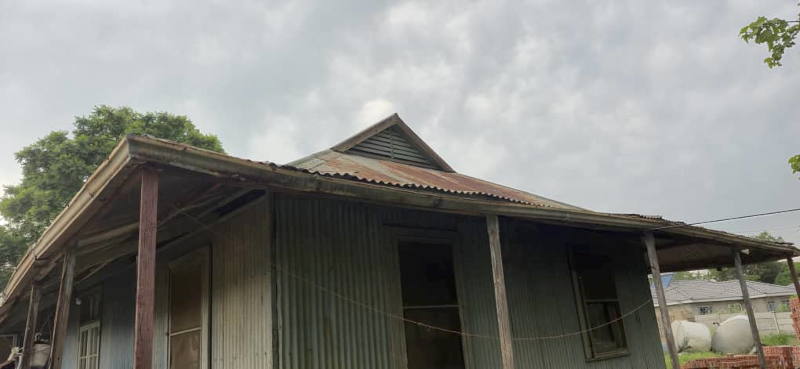
The result was a new domestic typology in Bulawayo: the raised corrugated iron cottage with a wraparound veranda and steep roof pitch.
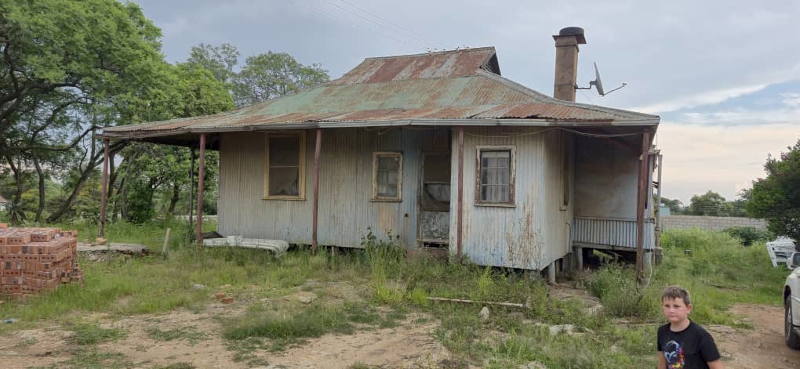
Anatomy of an 1890's Corrugated Iron House
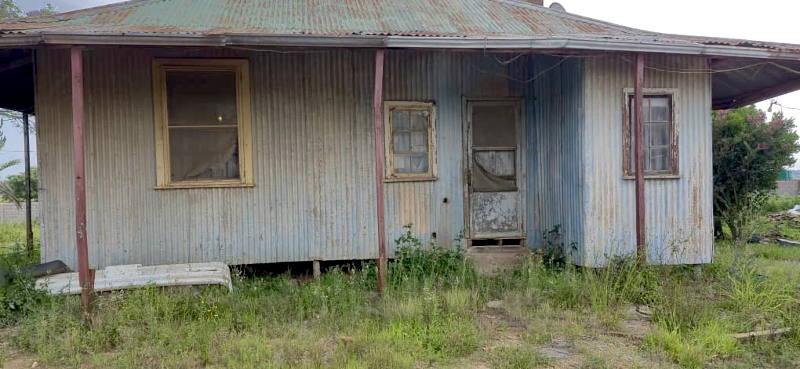
1. Raised on Piers
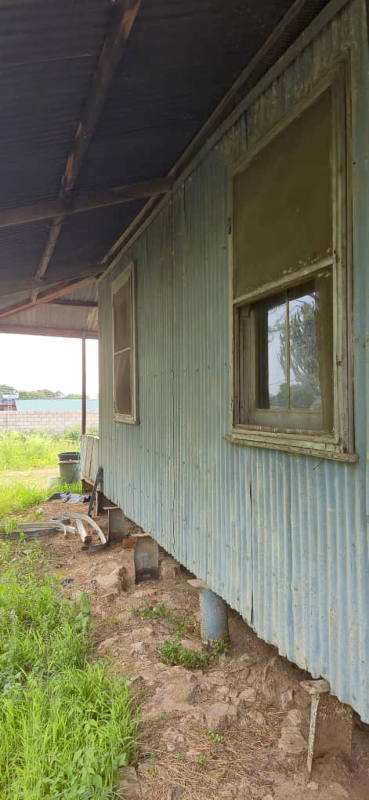
The structure stands on short masonry or concrete stumps. This lifted the house above damp ground, allowed airflow beneath, and reduced termite damage — critical in Matabeleland’s climate.
2. Corrugated Iron Walls and Roof
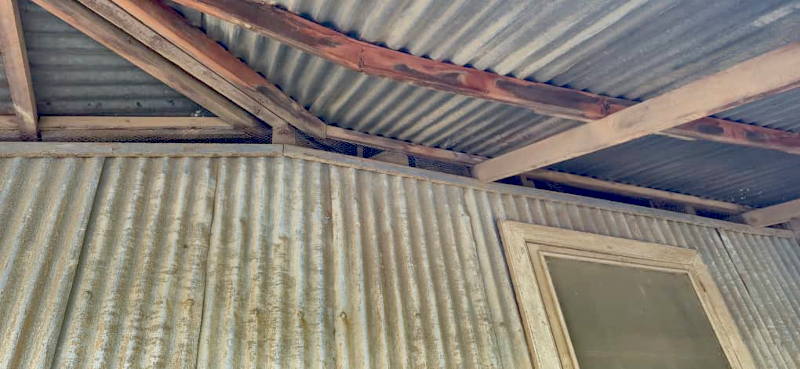
Both walls and roof are sheeted in corrugated iron, likely imported via the rail network. The material was affordable, durable, and symbolised modernity at the time.
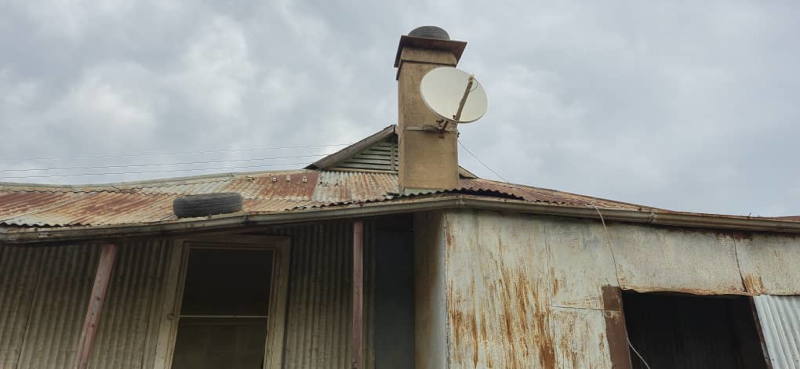
3. High-Pitched Roof with Gable Vent
The steep roof pitch allowed heat to rise. The louvered gable vent released hot air — an early passive cooling strategy.
4. Wraparound Veranda
The veranda shades walls from harsh sun, creates a transitional living space, and cools the structure.
5. Prominent Chimney
Even in warm climates, fireplaces were common — partly for winter use, partly reflecting Victorian habits brought from Britain.
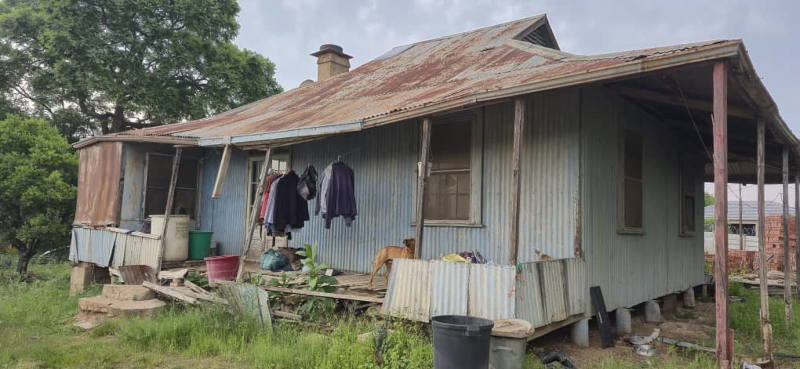
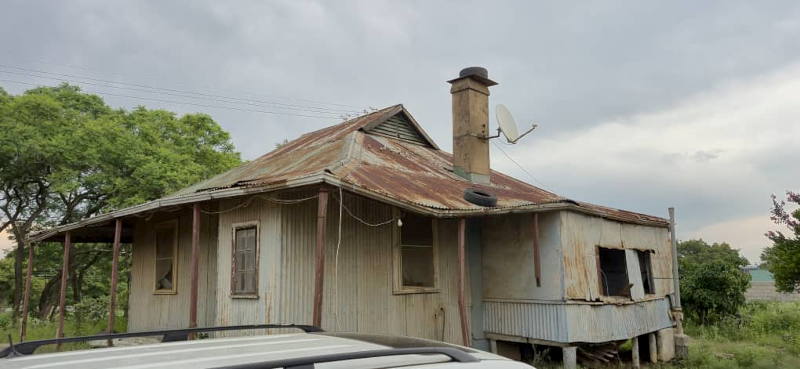
Who Lived In These Houses
Many early corrugated iron houses in Bulawayo were:
- Railway employees’ homes
- Early trader residences
- Workshop supervisors’ cottages
- Transitional dwellings before brick construction became dominant
They represent a period when Bulawayo was becoming the industrial capital of Southern Rhodesia — driven largely by the railway workshops.
For more information on the history of homes in Bulawayo - please visit the early history of Bulawayo.
Why These Houses Matter Today
Most corrugated iron houses of the 1890s have been lost - replaced by brick, demolished, or left to collapse. Surviving examples are rare witnesses to the city’s industrial birth.
They represent:
- Early colonial engineering
- Imported industrial materials adapted to African climate
- The beginnings of Bulawayo’s identity as a rail city
- A hybrid of Victorian design and frontier necessity
Restoration - More Than Cosmetic
The house still stands structurally legible:
- Original roof geometry intact
- Veranda posts surviving
- Gable ventilation visible
- Chimney stack preserved
Restoration offers the opportunity to:
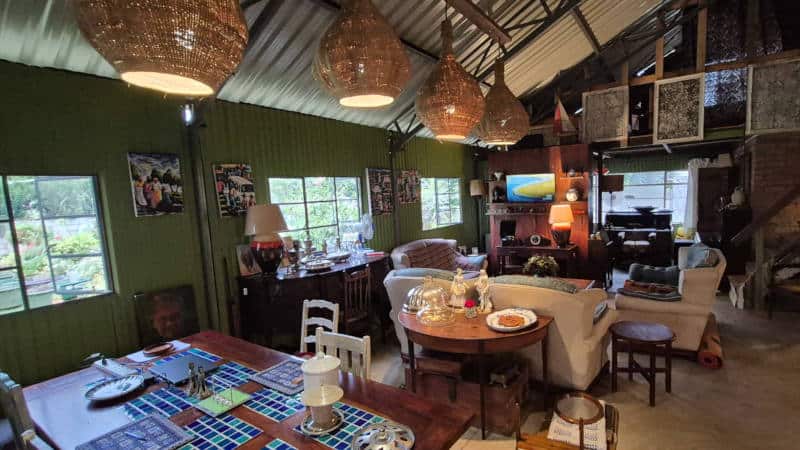
- Stabilise and treat the corrugated iron
- Reinforce the substructure
- Restore timber veranda elements
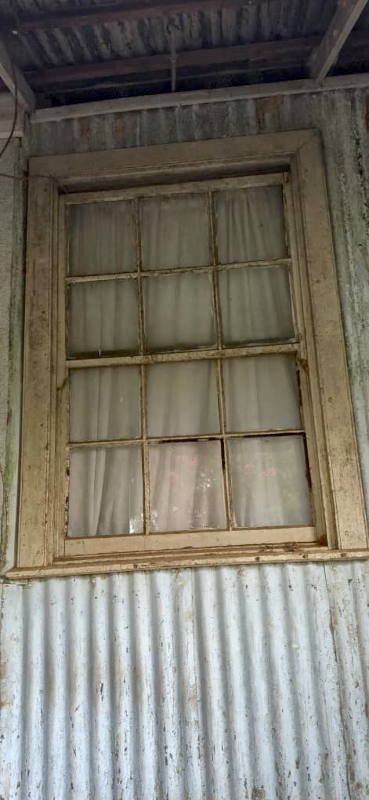
- Preserve original window proportions
- Interpret its railway-era context
In many ways, the railway built Bulawayo twice:
1. Physically - through materials and transport.
2. Socially - through employment, community, and urban structure.
The Story of 1890's Corrugated Iron Homes Now Being Restored
When the railway reached Bulawayo in 1897, it did more than bring locomotives and freight wagons. It brought a new architectural language.
The railways linked Bulawayo to the Cape, to Beira, and northwards into central Africa. That connection turned what had been a frontier settlement into a logistical heart — workshops, depots, administrative offices, and a swelling workforce. The rail yards became one of the largest employers in the region. With them came artisans, boilermakers, carpenters, clerks, and their families.
They needed housing — fast.
The solution was practical, industrial, and distinctly railway in character: corrugated iron houses.