
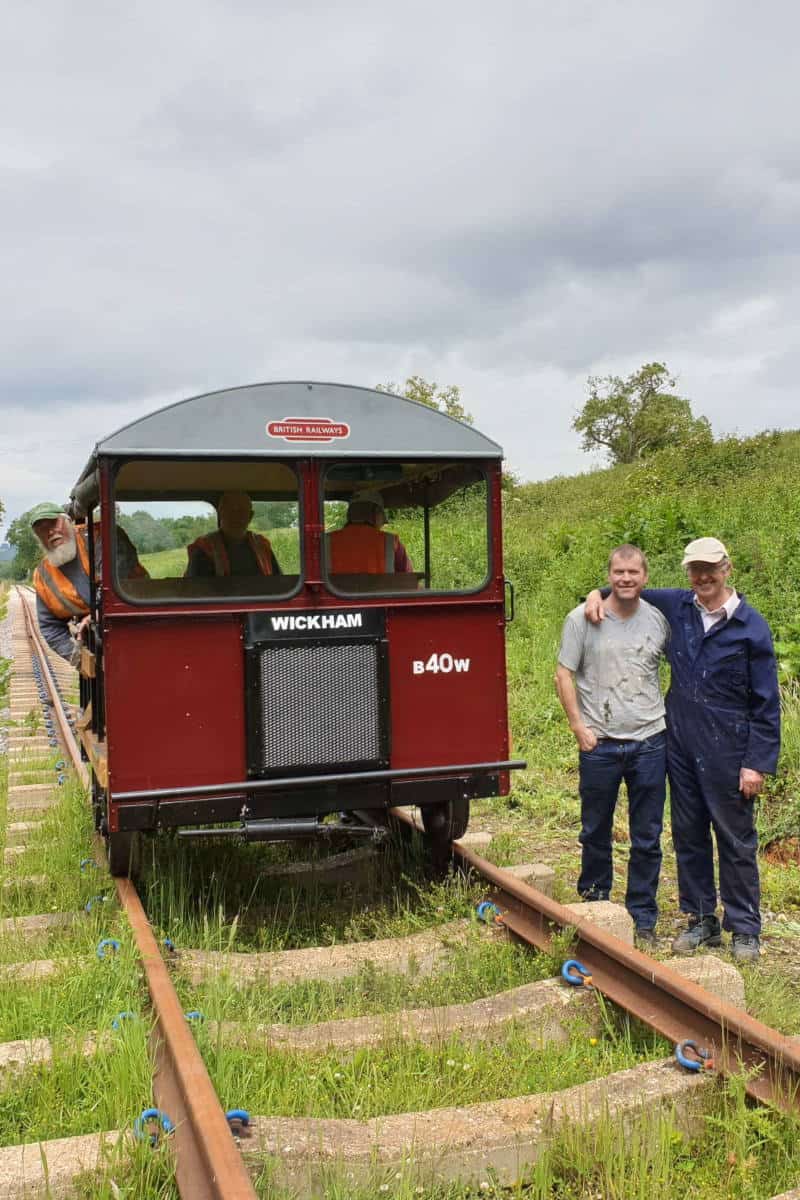
Wickham Inspection Trolley
History And Rhodesian Service
Wickham Inspector Trolley Origins and Manufacturer
The Wickham inspection trolley was developed by D. Wickham & Co of Ware, Hertfordshire, United Kingdom. Founded in 1886, the company evolved into a leading manufacturer of lightweight rail vehicles, first producing a rail trolley in 1922.
These vehicles were built for inspection and maintenance teams to quickly travel along railway lines.
Design And Use
Wickham trolleys were lightweight, self-propelled vehicles often powered by car engines like the Ford E93A.
They had simple gearboxes and accommodated seating for inspection staff. Commonly, they towed trailers loaded with equipment, making them perfect for engineering teams maintaining railway infrastructure.
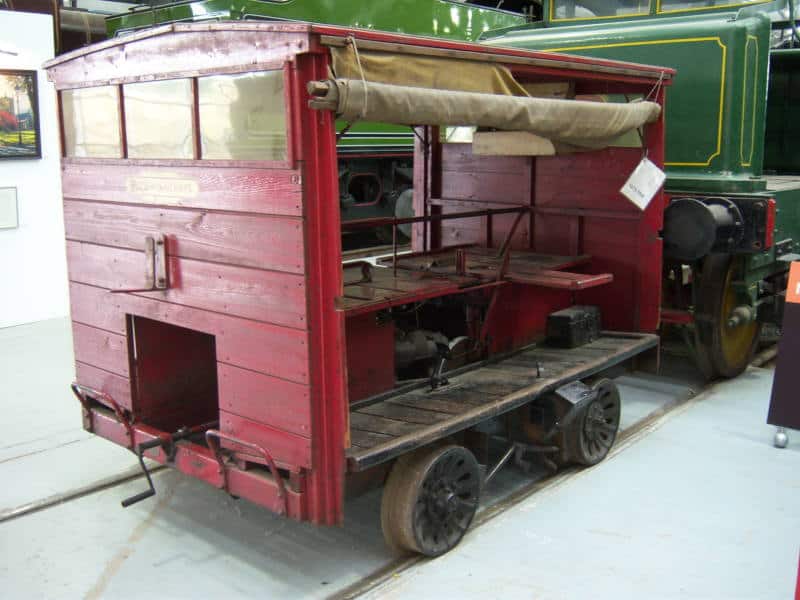
Global Reach
While popular in Britain, Wickham trolleys were exported worldwide, including to Rhodesia, Malaya, Peru, New Zealand, and South Africa. Their robust design and portability made them invaluable in remote regions.
Wickham Trolleys on Rhodesia Railways
On Rhodesia Railways, the Wickham Type 40 was commonly used. These units served inspection and track maintenance purposes, and were critical during the sanctions era when importing larger equipment was difficult.
They kept the railways working therefore allowing transportation and public railway coaches to maintain their schedules and deliveries.
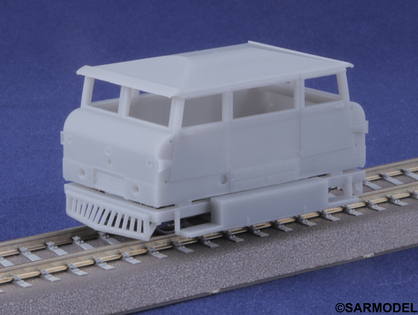
They appear in museum collections and are featured in modelling circles like SARMODEL.
Importance in Rhodesia’s Railway Infrastructure
The vast network of Rhodesia Railways required consistent inspection. Wickham trolleys provided a cost-effective way to reach remote sections of track.
Their light build allowed for easy deployment by small teams without the need for locomotives.
Legacy And Preservation
Though most Wickham trolleys have retired from active use, they live on in heritage museums, particularly in the UK. Model railway companies have replicated Rhodesian versions, and some examples survive in the Bulawayo Railway Museum.