Pioneer Ox Wagon
History of The 1890s Pioneer Era
Pioneer Ox Wagon History
The pioneer ox wagon was the backbone of inland travel and settlement in southern Africa during the 19th century.
By the 1890s, it was the primary means of transporting people, goods, and equipment across vast, undeveloped terrain.
Used extensively during the Pioneer Column of 1890, ox wagons enabled settlers to move north into what became Southern Rhodesia (now Zimbabwe). Organized by the British South Africa Company, these expeditions relied heavily on wagons to carry supplies, tools, and provisions necessary for establishing new settlements.
Structure And Design
Ox wagons were built primarily from strong hardwoods such as yellowwood. They featured large wooden wheels reinforced with iron rims, a long wooden drawbar (disselboom), and a canvas cover stretched over a wooden frame.
Each wagon was pulled by a span of 12 to 18 oxen. Despite their slow speed (around 3–5 km/h), oxen were chosen for their endurance, ability to survive harsh conditions, and resistance to local diseases that affected horses.
Functionality
- Load capacity ranged between 2 to 4 tons
- Could travel long distances with minimal infrastructure
- Required constant maintenance but was fully repairable in the field
Daily Life on the Trek
Travelers lived around and within the wagons. At night, wagons were arranged in a circle (laager) for protection. Movement was dictated by water availability and grazing land for oxen.
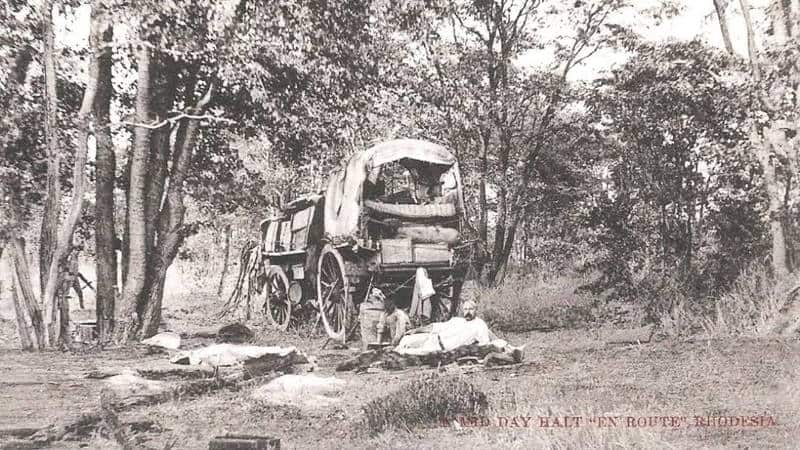
Photo by E S B Mercer. From a postcard published by George C Brown, Bulawayo
Engineering Strength
The wagons were designed with flexibility in mind. Their wooden frames absorbed shocks from rough terrain. Axles were greased with animal fat, and wheels were slightly angled for added strength.
Historical Impact
Ox wagons opened trade routes, enabled settlement expansion, and laid the foundation for future road networks. They remain a powerful symbol of movement and survival during the pioneer era.
Conclusion
While slow and physically demanding, the ox wagon was a reliable and essential tool that made inland expansion possible in the 1890s.
Bulawayo Pioneer Ox Wagon
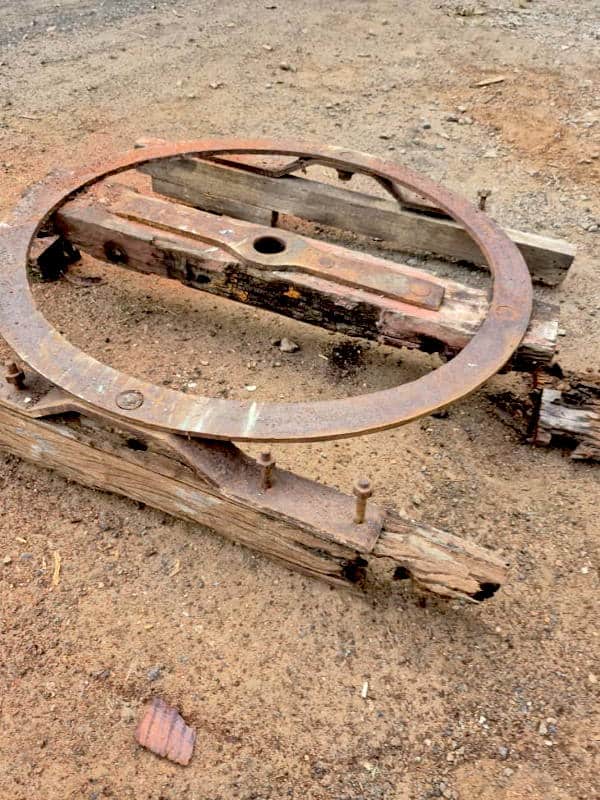
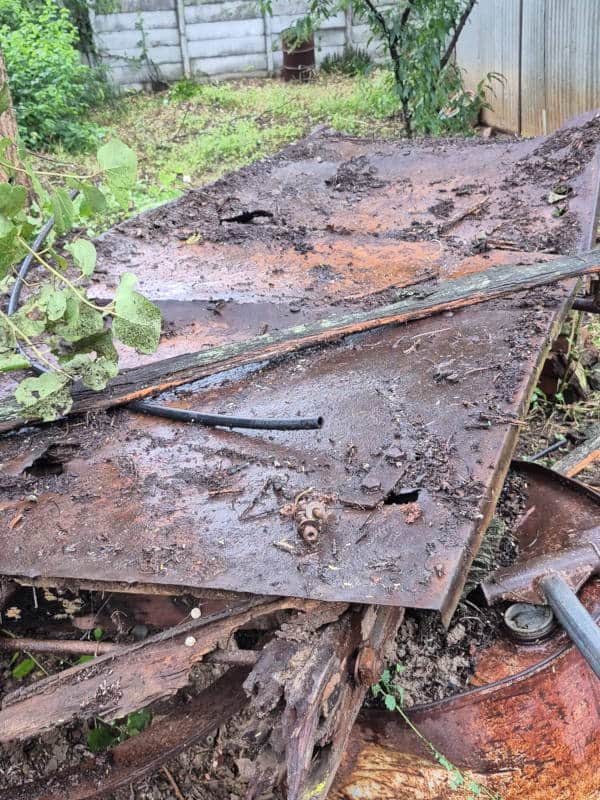
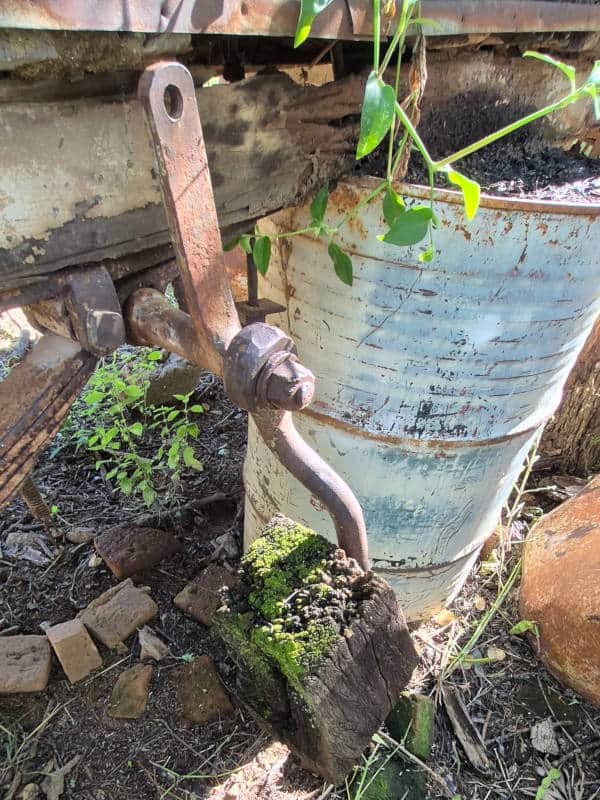
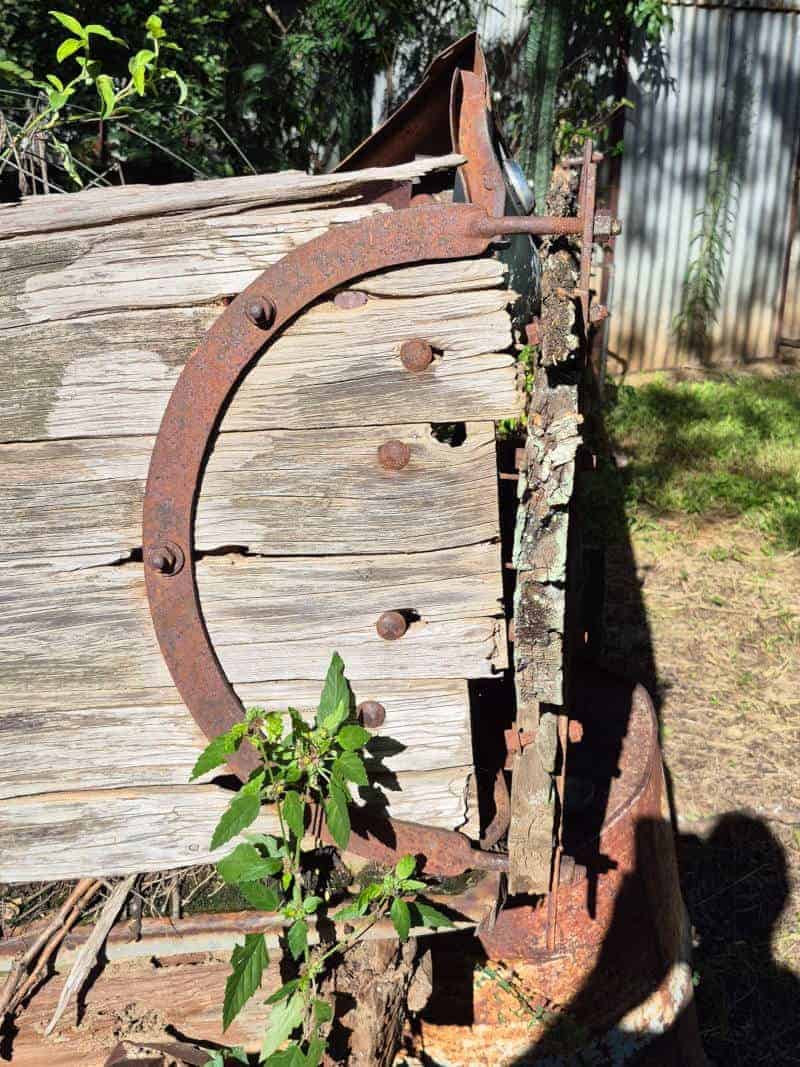
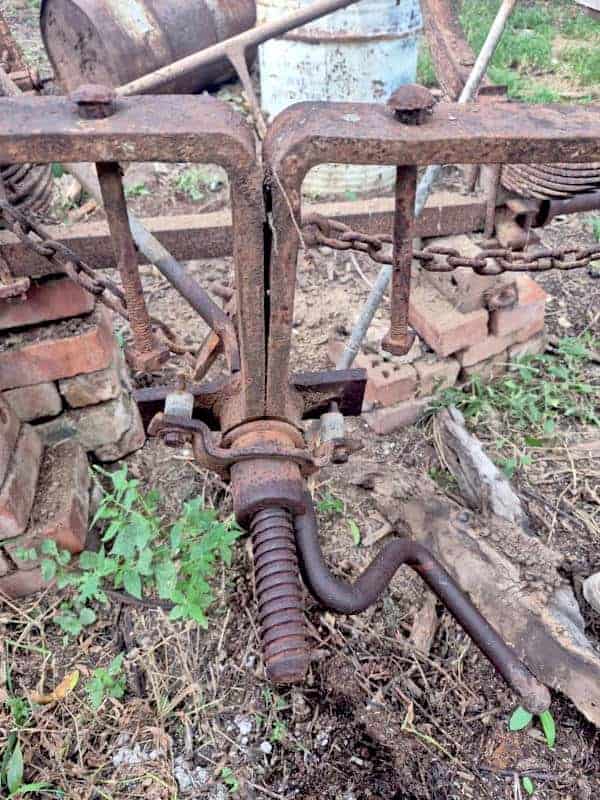
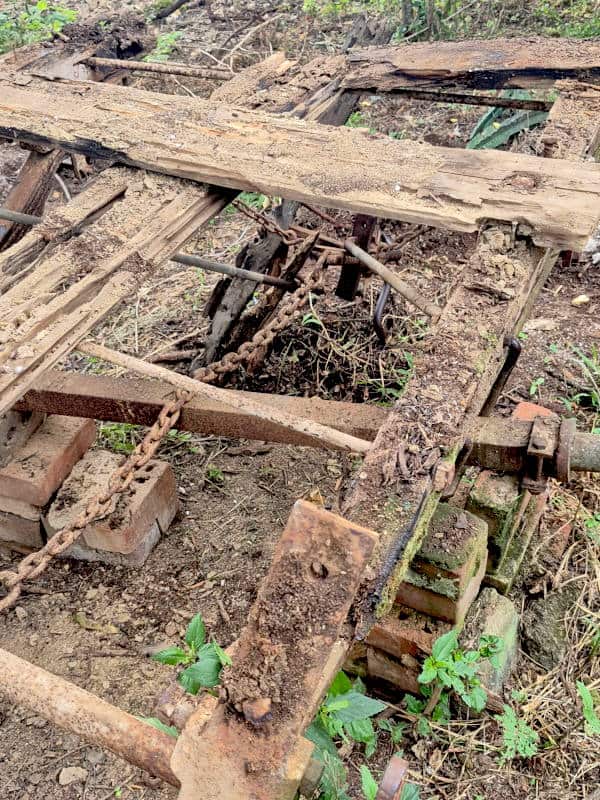
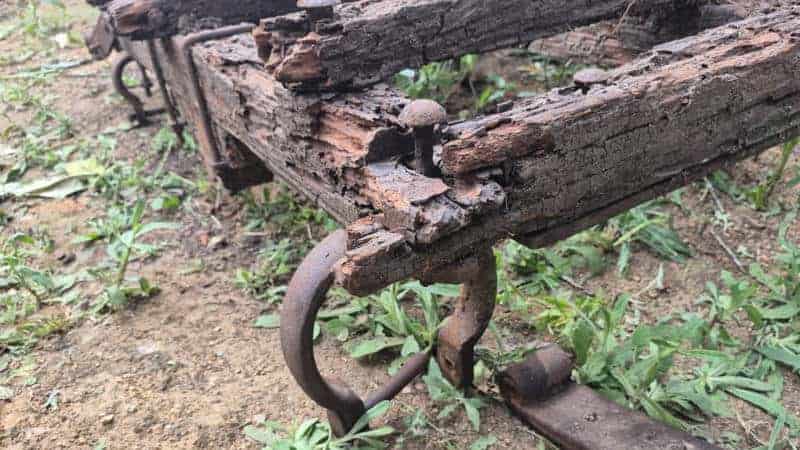
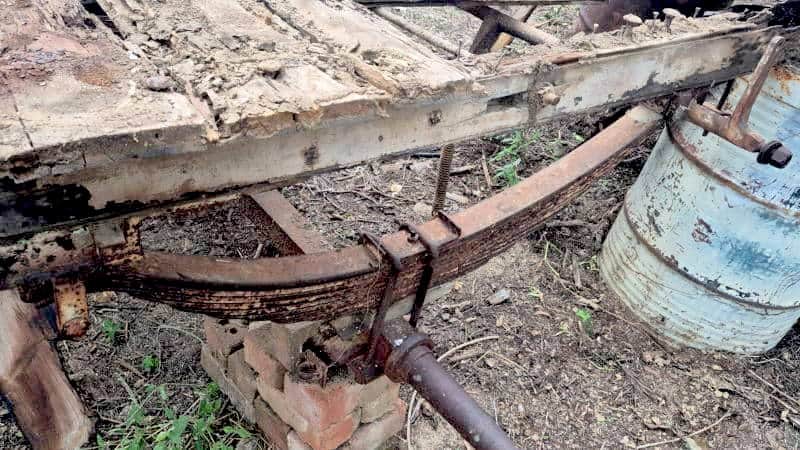
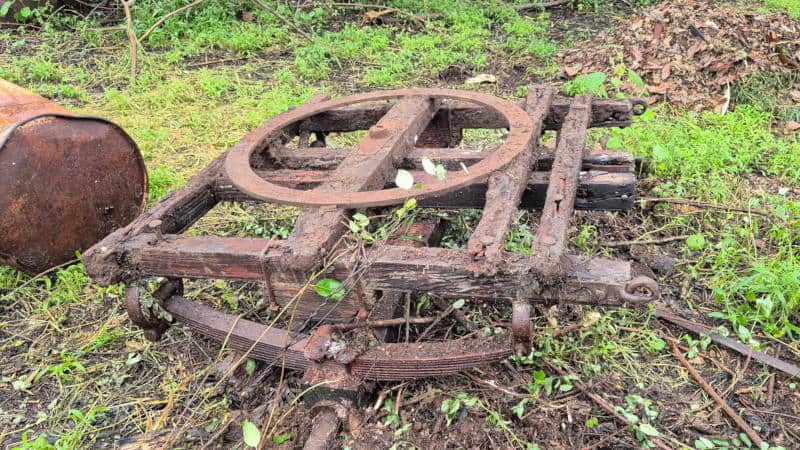
This relic of a pioneer ox wagon was a rare find in a privately owned Bulawayo property.
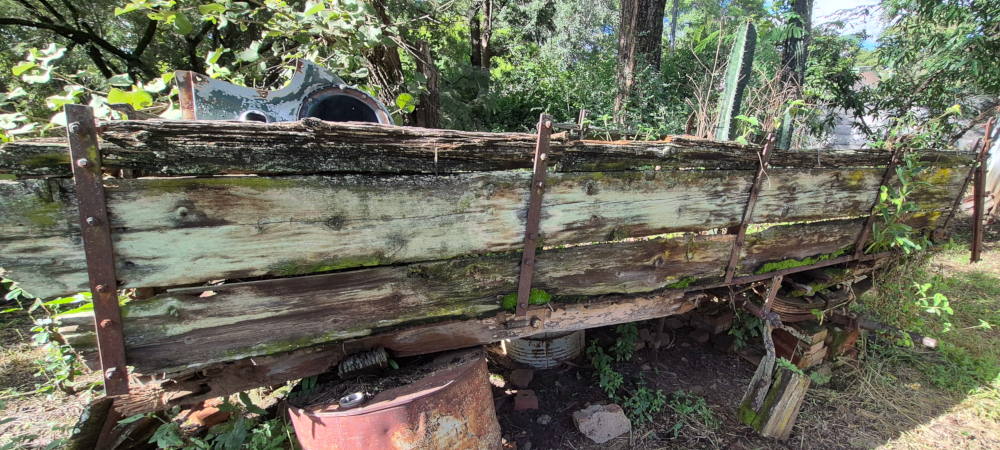
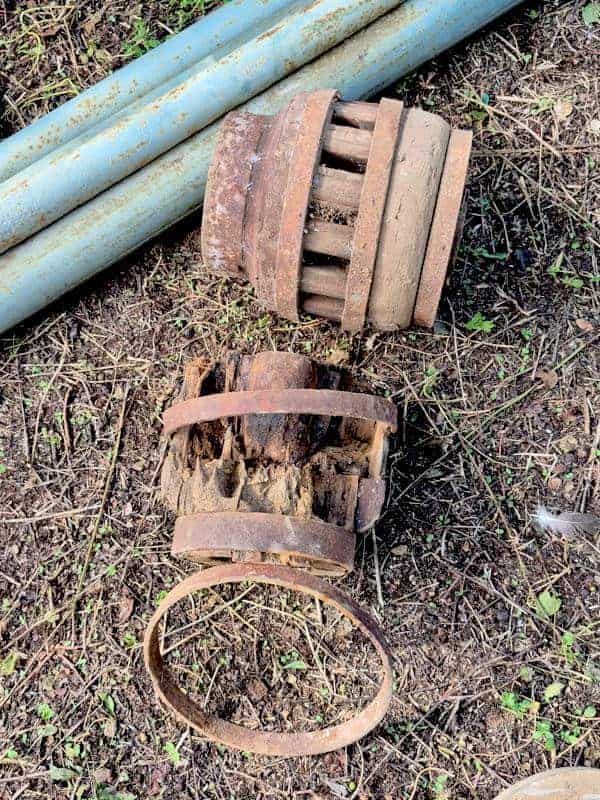
Photos of Old Ox Wagon
The wagon has lots of raw materials that can be used for manufacturing some beautiful pieces of heritage furniture that will reflect the original character of the pioneers.
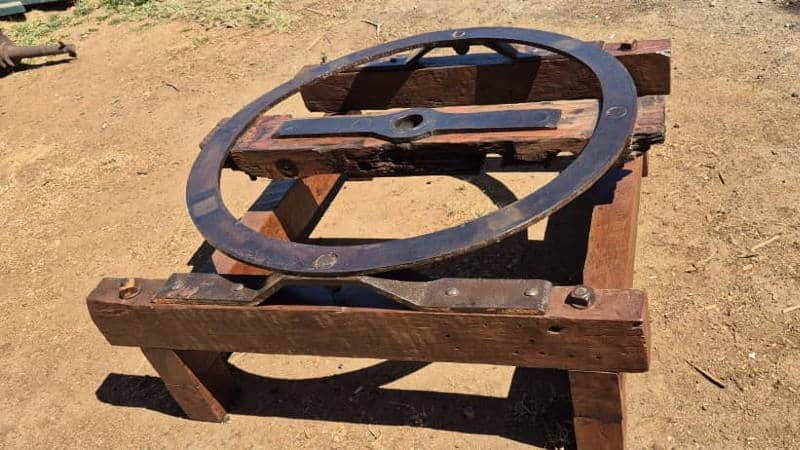
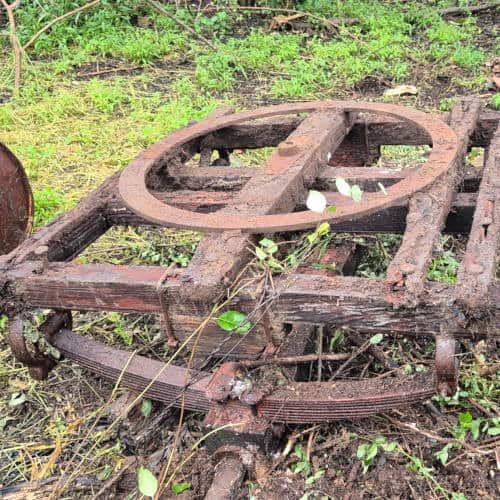
Ox Wagon Part For Table Idea
A part of the ox wagon that sparked an idea for a table.
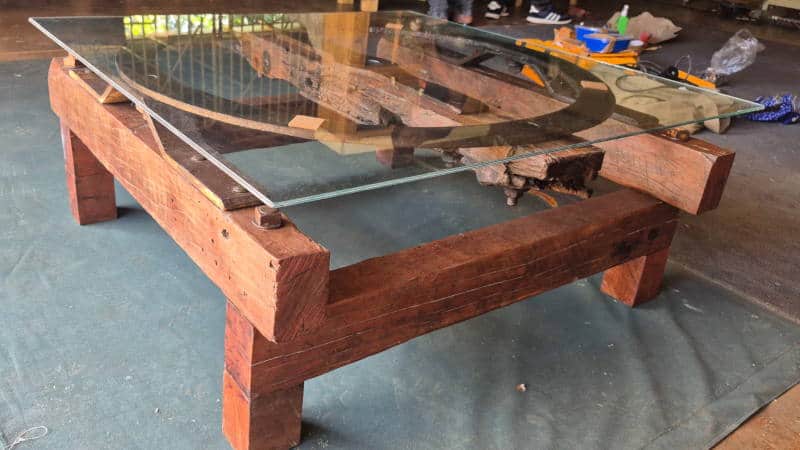
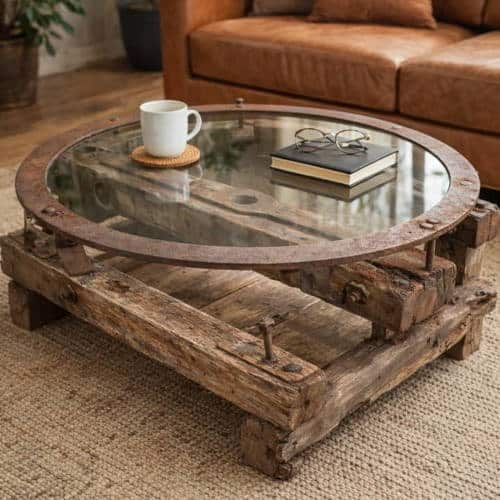
Rendition Idea for Ox Wagon Table
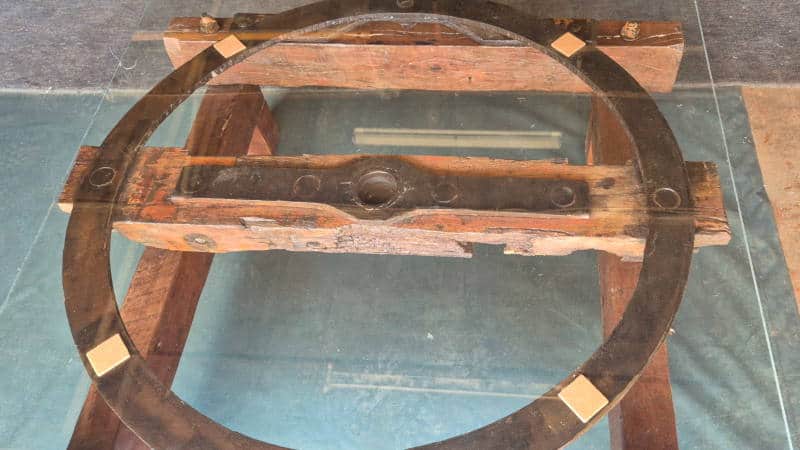
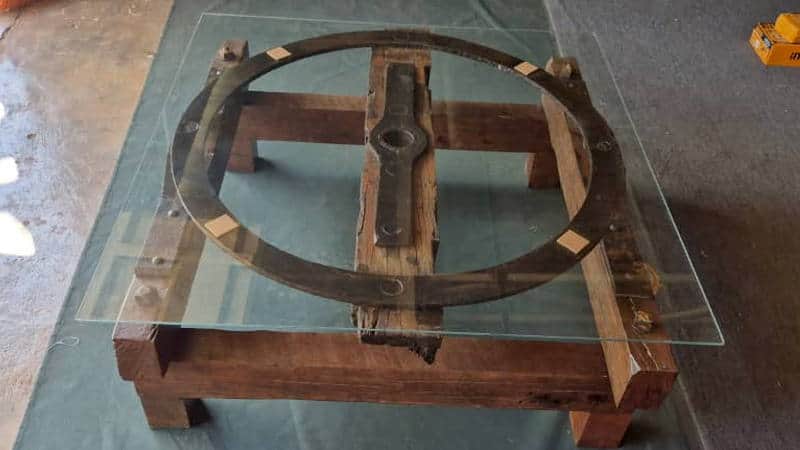
Based on the original part from the ox wagon - a rendition was created as an idea for the final product.
Work In Progress To Completion Of The Ox Wagon Table